



![Headshot of the client associated with the [Lancer agrico] project by Zero Designs](https://www.zerodesigns.in/assets/uploads/2025/03/06-Swapnil-Patel.webp)











WRITTEN BY

Rakesh Raval
Creative Director
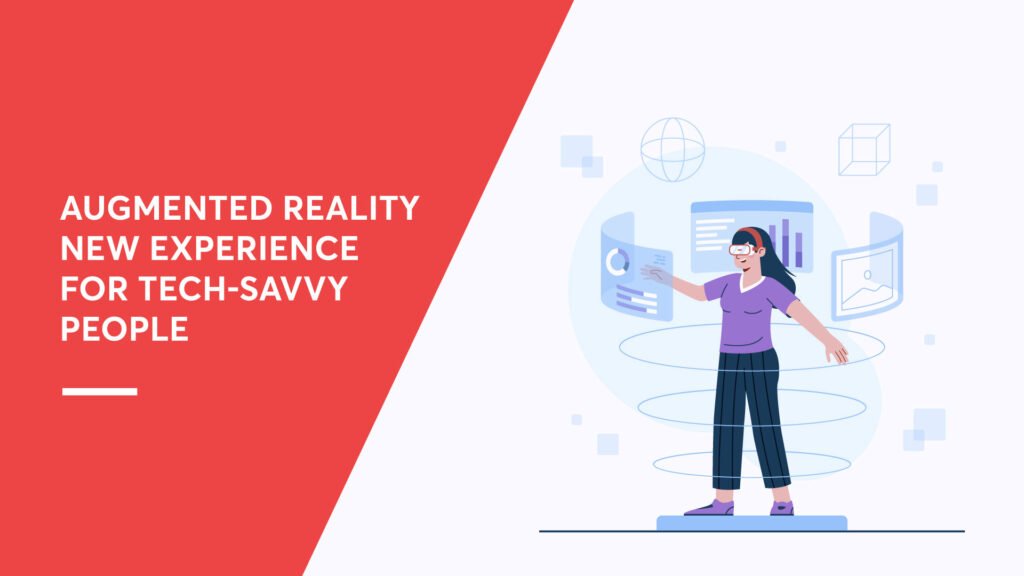
Augmented Reality (AR) is transforming the way people interact with the world by blending digital elements with real-life environments. Unlike traditional digital experiences that stay limited to screens, AR brings interactive visuals, sounds, and data directly into your surroundings, creating a more immersive and engaging experience.
As technology continues to evolve, AR is becoming more accessible through smartphones, tablets, and wearable devices. From social media filters to advanced industrial applications, it is reshaping industries and redefining how users consume information in real time.
- AR enhances real-world experiences with digital elements
- Widely used across gaming, retail, education, and healthcare
- Works seamlessly on mobile devices and smart wearables
- Improves engagement through interactive and immersive design
What is Augmented Reality?
Augmented Reality is a technology that overlays digital information such as images, Motion Graphics, animations, and data onto the real-world environment. Instead of replacing reality like virtual reality does, AR enhances what users see and interact with in their daily lives.
For instance, when you use an app to visualize how furniture would look in your room or apply face filters on social media, you are experiencing AR. This seamless blending of virtual and real elements makes the experience feel natural, intuitive, and highly engaging for users.
💡 DID YOU KNOW?
Augmented Reality is expected to become a multi-billion dollar industry, with businesses using it to increase customer engagement by over 40% in areas like online shopping and product visualization.
How Augmented Reality Works
Augmented Reality works by combining real-time environmental data with computer-generated elements. Devices such as smartphones or AR glasses use cameras and sensors to understand the surroundings and then place digital objects within that space accurately.
The system continuously tracks movement and adjusts the virtual elements accordingly, ensuring that they stay aligned with the real world. This creates a smooth and interactive experience where users can move around and interact with digital objects as if they were physically present.
Types of Augmented Reality Tools
3D Viewers
3D viewers allow users to place and interact with life-size digital models in their real environment. This is especially useful in industries like interior design, architecture, and e-commerce, where users can preview products before making decisions.
AR Browsers
AR browsers enhance the camera view by adding contextual information such as directions, product details, or historical data. These tools are widely used in navigation apps and tourism to provide a more informative experience.
AR Games
AR gaming creates immersive experiences by blending real-world surroundings with virtual gameplay elements. Players can interact with characters and objects in their environment, making the experience more engaging and realistic.
Where is Augmented Reality Used?
Smartphones & Tablets
Mobile devices are the most common platform for AR experiences, with many businesses leveraging Mobile App Development to deliver interactive features. Users can access a wide range of applications, from entertainment and social media filters to online shopping and educational tools, all powered by AR technology.
PCs & Televisions
Although less common today, AR can also be experienced through computers and televisions using webcams. However, these setups are often less convenient compared to mobile devices due to limited mobility and setup requirements.
Smart Glasses & Wearables
Advanced AR devices such as smart glasses provide a hands-free experience by projecting digital information directly into the user’s field of vision. This is particularly useful in industries like healthcare, manufacturing, and logistics.
Augmented Reality vs Virtual Reality
A logo that reads clearly at print size may become illegible as a 32px favicon. A brand color that looks vibrant on screen may appear muddy in offset printing. Both environments need their own explicit guidance — not a single rule applied to both.
Conclusion
Augmented Reality is no longer just a futuristic concept—it is a rapidly growing technology that is already influencing how people interact with digital content. By seamlessly integrating virtual elements into the real world, AR creates experiences that are both practical and engaging.
As adoption continues to grow across industries, AR will play a major role in shaping the future of user experience, making everyday interactions smarter, faster, and more interactive.
What is augmented reality and how does it work?
What is augmented reality and how does it work?
Augmented reality (AR) is a technology that overlays digital elements like images, animations, and data onto the real world. It works using cameras, sensors, and software to detect surroundings and place virtual objects in real time, creating an interactive and immersive user experience.
What is the difference between augmented reality and virtual reality?
What is the difference between augmented reality and virtual reality?
Augmented reality enhances the real world by adding digital elements, while virtual reality (VR) completely replaces the real environment with a simulated one. AR allows users to stay connected with their surroundings, making it more practical for everyday use compared to VR.
Where is augmented reality used in daily life?
Where is augmented reality used in daily life?
Augmented reality is widely used in mobile apps, social media filters, online shopping, gaming, and navigation tools. It helps users visualize products, access real-time information, and interact with digital content in a more engaging and practical way.
What devices support augmented reality?
What devices support augmented reality?
AR can be experienced on smartphones, tablets, and advanced devices like smart glasses. Most modern mobile devices support AR applications, making the technology easily accessible without requiring expensive or specialized equipment.
How does augmented reality benefit businesses?
How does augmented reality benefit businesses?
Augmented reality helps businesses improve customer engagement, enhance product visualization, and increase conversions. It allows customers to interact with products before buying, reduces uncertainty, and creates more immersive marketing experiences.
Is augmented reality expensive to implement?
Is augmented reality expensive to implement?
The cost of implementing AR depends on the complexity of the project. Basic AR features for mobile apps can be affordable, while advanced solutions may require higher investment. However, AR often delivers strong ROI by improving user engagement and sales.
What are the main types of augmented reality applications?
What are the main types of augmented reality applications?
The main types include 3D viewers, AR browsers, and AR games. These applications allow users to interact with digital objects, access contextual information, and experience immersive environments across various industries like retail, education, and entertainment.