



![Headshot of the client associated with the [Lancer agrico] project by Zero Designs](https://www.zerodesigns.in/assets/uploads/2025/03/06-Swapnil-Patel.webp)











01-April-2026
All You Need to Know About 3D Rendering and Visualization
WRITTEN BY

Rakesh Raval
Creative Director
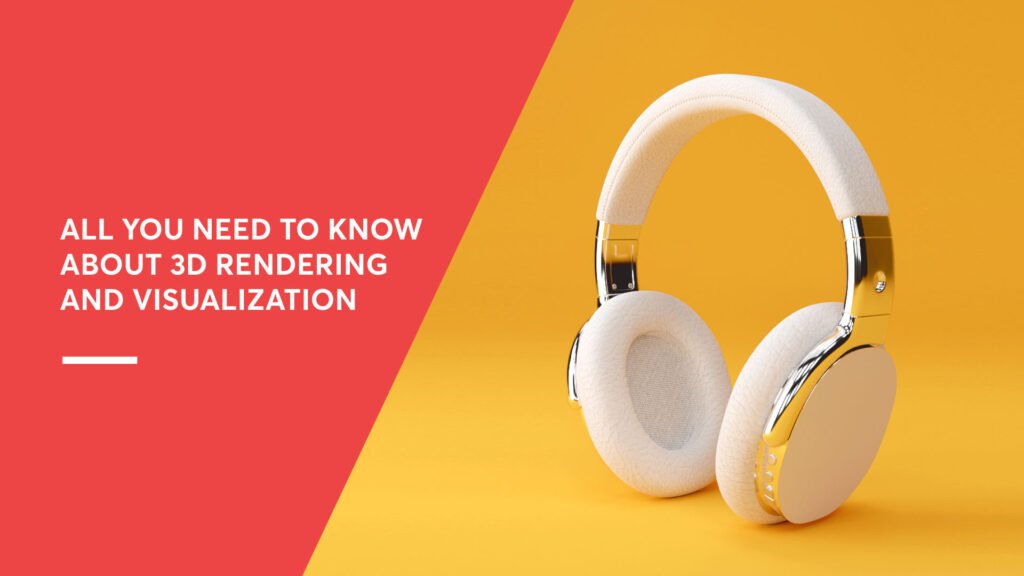
In today’s design-driven world, visuals play a major role in influencing customer decisions. Whether you are showcasing a product, presenting an interior concept, or launching a real estate project, high-quality visuals can make all the difference.
This is where 3D rendering and 3D visualization become powerful tools. They help turn concepts, sketches, and wireframes into realistic images that look close to real-life photography — often before the actual product or space even exists.3D rendering transforms digital models into highly realistic, photorealistic images.
- 3D rendering transforms digital models into realistic images.
- It helps businesses present ideas before production begins.
- Lighting, textures, materials, and camera angles create realism.
- 3D visualization saves time and reduces physical prototyping costs.
- It is widely used in architecture, interiors, and product marketing.
- Professional expertise ensures faster and better-quality results.
What is 3D Rendering?
3D rendering is the process of converting a 3D model or wireframe into a high-quality visual image using computer software. It simulates real-world elements such as lighting, shadows, reflections, textures, and materials to create a photorealistic result.
The final output can look like a professionally captured photograph, even though the object or environment may not physically exist yet.
💡 DID YOU KNOW?
Industries such as real estate, furniture, automotive, and eCommerce rely heavily on 3D visualization because it allows them to showcase products and spaces before they physically exist, reducing production costs, speeding up approvals, and improving customer buying decisions.
How Does 3D Visualization Work?
3D rendering converts digital models into realistic, life-like visuals. Once the model is ready, designers apply colors, textures, and materials to different surfaces. After that, environmental settings such as sunlight, artificial lighting, reflections, and camera positions are adjusted.
The software then processes all these details and generates a final realistic image.
This allows businesses to preview ideas, test variations, and finalize designs before production.
Real-World Example of 3D Rendering
Imagine you manufacture ceramic tiles and want to show customers how they would look in a modern kitchen.
Instead of building a real kitchen setup and arranging a photo shoot, designers can create a 3D kitchen model, apply your tile texture, adjust the lighting, and generate stunning visuals in multiple styles.
This is faster, more flexible, and often more cost-effective than traditional photography.
Why Businesses Use 3D Rendering
3D rendering is not just about creating beautiful visuals. It is also a smart business solution that improves communication and decision-making.
Businesses use 3D rendering to showcase products professionally, allowing them to present designs in a polished and realistic manner. It also helps in presenting architectural concepts before construction begins, making it easier to visualize the final outcome. For interior design, it enables testing of different concepts, layouts, and materials before making final decisions. In marketing, 3D visuals support faster campaign creation with high-quality imagery. Additionally, it reduces the need for expensive physical prototypes by providing accurate digital representations, while also improving customer confidence through clear and detailed visual communication.
Why Expertise Matters in 3D Rendering
Great software alone does not guarantee great results. Professional visualizers understand composition, lighting balance, perspective, textures, and realism.
Rendering can also take time and computing power, so planning the scene correctly before final output is important. Skilled experts reduce revisions and deliver better-quality visuals faster.
That is why choosing an experienced team makes a major difference.
Where 3D Renders Can Be Used
The final visuals created through 3D rendering can be used across multiple platforms, including websites, social media, product catalogs, banners, hoardings, brochures, and Graphic Design materials.
This makes 3D rendering a valuable long-term asset for both marketing and sales.
Conclusion
3D rendering and visualization help businesses transform ideas into realistic visuals that inspire confidence and drive decisions. From product launches to architectural presentations, it offers speed, flexibility, and impressive visual quality.
With the right creative partner, you can present your concepts more effectively and stand out in a competitive marke
What is 3D rendering and visualization?
What is 3D rendering and visualization?
3D rendering and visualization is the process of converting digital models into realistic images using computer software. It helps businesses present concepts, products, or spaces in a photorealistic way before they are physically created.
Why is 3D rendering important for businesses?
Why is 3D rendering important for businesses?
3D rendering allows businesses to showcase ideas clearly and professionally before production. It improves decision-making, reduces misunderstandings, and helps attract customers with high-quality, realistic visuals.
How does 3D rendering work?
How does 3D rendering work?
3D rendering works by applying textures, lighting, materials, and camera angles to a digital model. The software then processes these elements to generate a realistic image that closely resembles real-life photography.
What are the benefits of 3D visualization?
What are the benefits of 3D visualization?
3D visualization helps save time, reduce costs, and improve design accuracy. It allows businesses to test different concepts, present ideas effectively, and create strong visual impact for marketing and sales.
Where is 3D rendering commonly used?
Where is 3D rendering commonly used?
3D rendering is widely used in industries like architecture, interior design, real estate, eCommerce, and product marketing. It helps visualize spaces, products, and concepts before they are physically developed.
Is 3D rendering better than traditional photography?
Is 3D rendering better than traditional photography?
3D rendering offers more flexibility than traditional photography because designs can be modified easily. It allows businesses to create visuals even before the product or space exists, which is not possible with photography.
Why should you hire professionals for 3D rendering services?
Why should you hire professionals for 3D rendering services?
Professional 3D rendering services ensure high-quality visuals with proper lighting, composition, and realism. Experts also reduce errors and revisions, delivering faster and more accurate results for business needs.